Mahdi SarfaraziTechnical Product Manager for AI and engineering software
I build AI products for engineers. I start with customer discovery and the MVP scope, then work with engineering, design and QA through delivery and validation.
Before moving into product, I worked as a robotics and control engineer with ROS2, real-time embedded control, simulation and reinforcement learning.
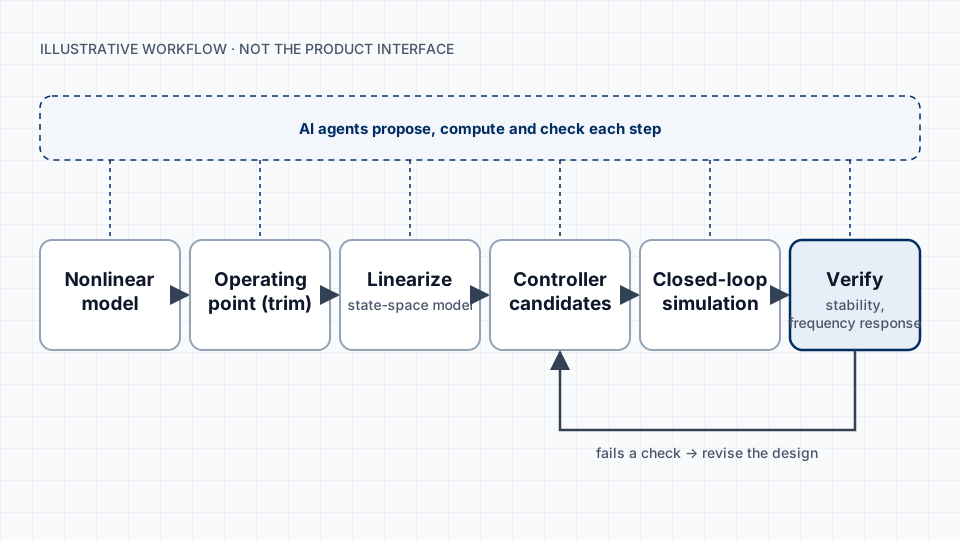
Product work drawn as a control loop: each build is checked against the need, then corrected.
What I've done
Current role
Took an AI-assisted control-design platform from concept to a validated MVP
I'm the Technical Product Manager at an agentic-AI startup (name withheld). I led discovery and requirements and worked with a team of seven engineers on delivery. The MVP completed two proof-of-concept cycles and passed the internal readiness gate, and I wrote the go-to-market plan for the next phase.
ViGenX: an AI video editor you can inspect before it runs
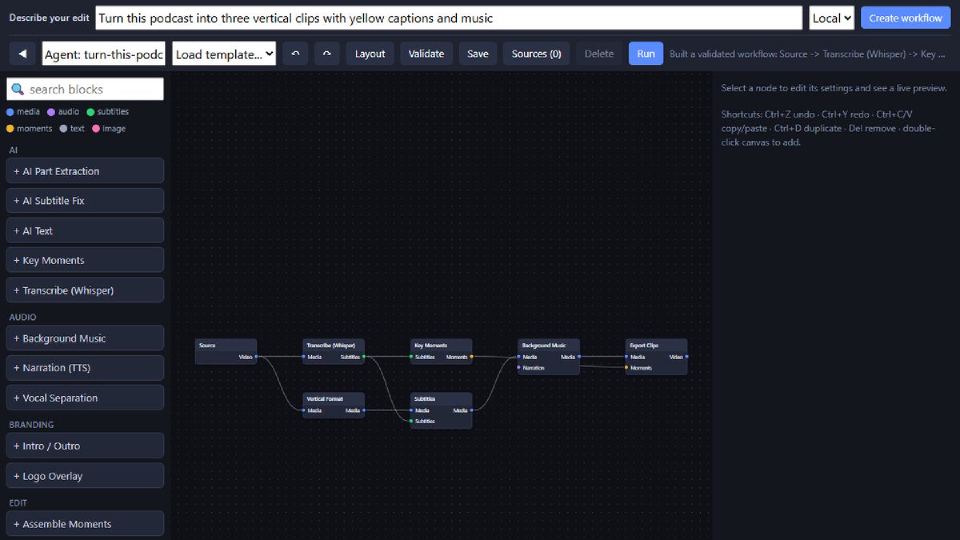
I defined and built ViGenX, an open-source video editor. It turns a plain-language brief into a workflow you can check and edit, and it waits for your approval before rendering. I showed the first MVP at Diginext's 10th Startup Camp. The current release is pre-1.0.
Robotics and control research, in simulation and on hardware
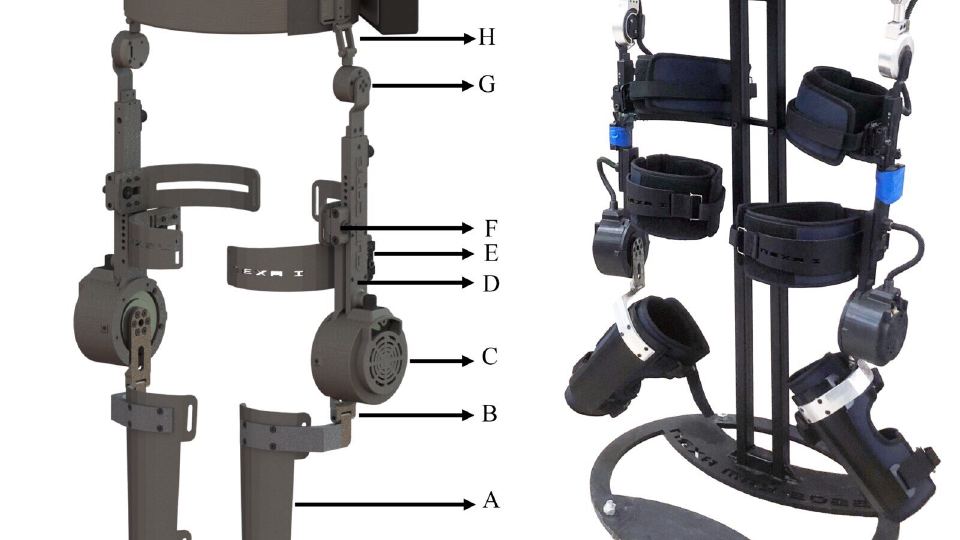
I was first author on a real-time ROS2 controller for a knee exoskeleton (a preprint) and co-authored reinforcement-learning research on quadruped navigation (ICRoM 2025).
Control-system design runs through many specialist steps, from modelling and linearization to controller design and verification, and they are slow to repeat by hand.
My role
Technical Product Manager, promoted from the engineering team. I own discovery, requirements, the backlog, delivery and go-to-market planning.
Main decision
Prove the product with test users and pass a readiness gate before any go-to-market work.
Evidence
Two proof-of-concept cycles completed (the first had 38 academic test users and 198 projects). Internal readiness gate approved.
Four habits I rely on, each with an example from my own work.
1
Discover and frame
I start from how the engineer actually works. On the exoskeleton, that showed the real requirement: assistance large enough to outweigh the effort of wearing the device.
In ViGenX I kept the language model away from execution. It plans the edit using only registered blocks, and every run waits for a person to approve it.
The exoskeleton study also tested the device with its motors off. Wearing it that way raised muscle effort, so the controller had to make up for the device's own burden before it could help.